


The DFW Metroplex, located in Dallas and Fort Worth, has become one of the most dynamic and fastest-growing economies in the United States because of a combination of advantageous location, business-friendly policies, transportation and utility infrastructures, a skilled workforce, and the presistence of growth.
Central U.S. Location
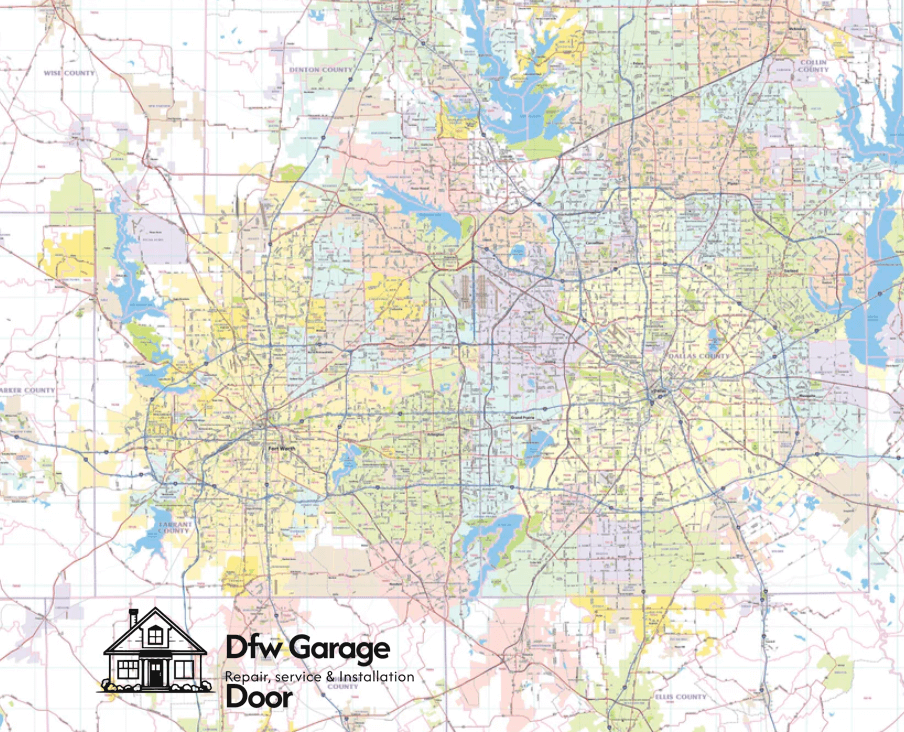
The location of DFW at the heart of the United States is an asset to businesses that want to reach most U.S. major markets within a single day. Consequently, it is a perfect place for logistics, distribution, and national operations.
Business-Friendly Environment
The fact that Texas is a no-state-income tax area, has a lower regulatory burden and competitive operating costs, makes it a startup magnet, and among them, small businesses and big corporate companies that come here are.
Diverse Industry Base
Rather than being reliant on a single industry, DFW, alongside other key sectors, has:
- Technology & telecommunications
- Finance & banking
- Healthcare & life sciences
- Construction & real estate
- Manufacturing & logistics
- Energy & aerospace
The diversification of the businesses in these sectors makes the region more resilient to the impact of recession.
Transportation & Infrastructure
The streets of DFW are among the largest highway systems in the US and major airports, including Dallas Fort Worth International Airport, which has a global logistics and passenger hub. The infrastructure is the backbone of the trade, commuting, and rapid expansion.
Large & Skilled Workforce
A major characteristic of the workforce of the metroplex is that it is made up of professionals from technical and white-collar sectors. The vigorous population growth, universities, and vocational schools also have a role in it.
Population Growth & Housing Development
DFW is always on the list of the fastest-growing metropolitan regions in the United States. The permanent rise in residential and commercial construction leads to the rising demand for services, retail, infrastructure, and home improvement industries.
Corporate Headquarters & Relocations
Numerous Fortune 500 companies and famous brands located their headquarters or significant offices in DFW, providing a large number of jobs and contributing to the long-term economic stability of the region.
Affordable Cost of Living (Relative)
Compared to the coastal cities, it appears that DFW has housing that is much more inexpensive and living costs that are significantly lower, which means that businesses and employees can get more out of their budget.
Pro-Growth Local Governments
Cities across the metroplex are engaged in infrastructure investments, zoning, and economic development explicitly aimed at supporting expansion of the existing business and entrepreneurship.
Strong Consumer Spending
With employment and income levels going up, DFW retains a vigorous consumer market, the driving force behind retail, construction, home services, and support for local businesses.